CAR-04Care and collections
Workshop Records from the Chesapeake Shore
A workshop record is only as useful as the habits it captures. The most durable practice notes from the Anne Arundel shore of the Chesapeake are not treatises but logs: session lengths, palette lists, kiln schedules, tide readings. They are kept by amateurs and studio students who return to the same bench, the same easel and the same stretch of shoreline week after week, and who write down what changed. The Working Shore is one such documentary chronicle, and its three strands, outdoor painting on the bay, shore clay ceramics and handwork at the water's edge, map closely onto the questions any bench-bound practitioner eventually asks about record keeping.
Published on 16/09/2026, last reviewed on 20/08/2026
A workshop record is only as useful as the habits it captures. The most durable practice notes from the Anne Arundel shore of the Chesapeake are not treatises but logs: session lengths, palette lists, kiln schedules, tide readings. They are kept by amateurs and studio students who return to the same bench, the same easel and the same stretch of shoreline week after week, and who write down what changed. The Working Shore is one such documentary chronicle, and its three strands, outdoor painting on the bay, shore clay ceramics and handwork at the water's edge, map closely onto the questions any bench-bound practitioner eventually asks about record keeping.
What does a plein air session on the bay actually record?
Outdoor painting on tidal water is a discipline of fixed durations. The light over the Chesapeake changes on a schedule set by the tide rather than the clock, and painters working the Anne Arundel shoreline tend to log three things per session: the hour the easel went up, the hour it came down, and the state of the water at each. Palette notes follow the same logic. A winter palette on the bay is not a summer palette with fewer colours; it is a different set of mixtures, because the water and sky shift toward grey-green and the reflected light loses its warmth. Session lengths shorten in winter not only from cold but from the narrower window of usable light.
The record that emerges is closer to a field log than a sketchbook. Practitioners note wind direction, because it determines whether the bay reads as flat or broken, and they note whether the tide is running or slack, because moving water reflects differently from still water. Over a season these entries accumulate into something a single painting cannot show: a calendar of conditions. For anyone keeping similar notes on any subject, the useful lesson is that the log should record the conditions of the sitting, not the quality of the result. Judgements of quality age badly; conditions do not.
How is shore clay turned into a working ceramic practice?
Ceramics from local shore clay is a slower record than painting, because the material itself imposes delays. Clay dug near the water must be processed, wedged and rested before it can be thrown, and each of those steps has its own duration. Potters working this way keep two documents in parallel: a throwing log, which records the weight of clay, the form attempted and the time on the wheel, and a firing log, which records the kiln, the schedule and the outcome of each firing.
The firing log is the more valuable of the two, and the more disciplined practitioners treat it as a ledger rather than a diary. Each firing gets a page: date, kiln type, stacking arrangement, ramp and soak times, and a plain description of the results, including failures. Because local clay varies from source to source and even from season to season, a firing log without the clay source noted is nearly useless. The same schedule applied to clay dug from a different stretch of shore can produce a different result, and only the log will reveal why.
Season by season, these records do something a single successful pot cannot. They show the potter which variables are actually under control. Throwing technique stabilises relatively quickly; clay body and firing atmosphere do not. A potter who logs both will eventually see that most unexplained failures trace back to a change in the clay or the weather rather than to a lapse in skill.
What does handwork at the water's edge involve?
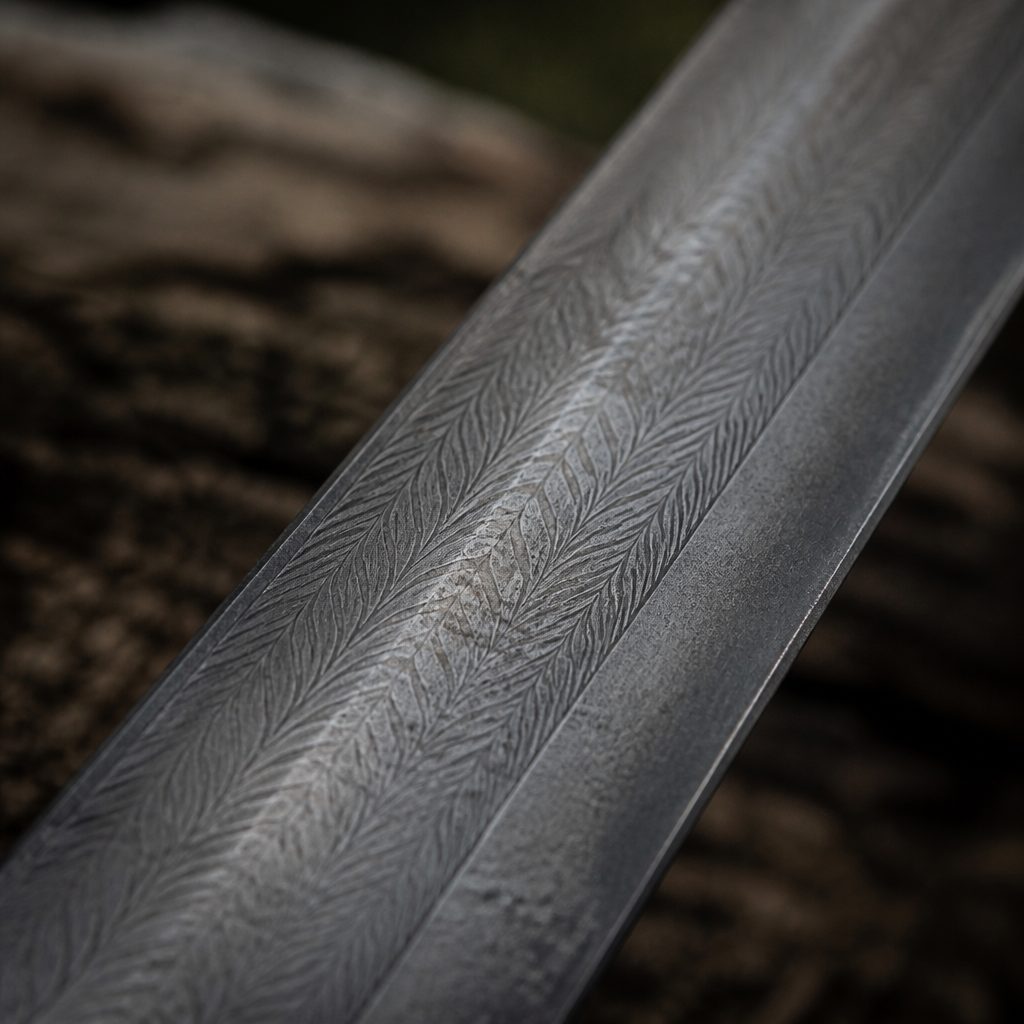
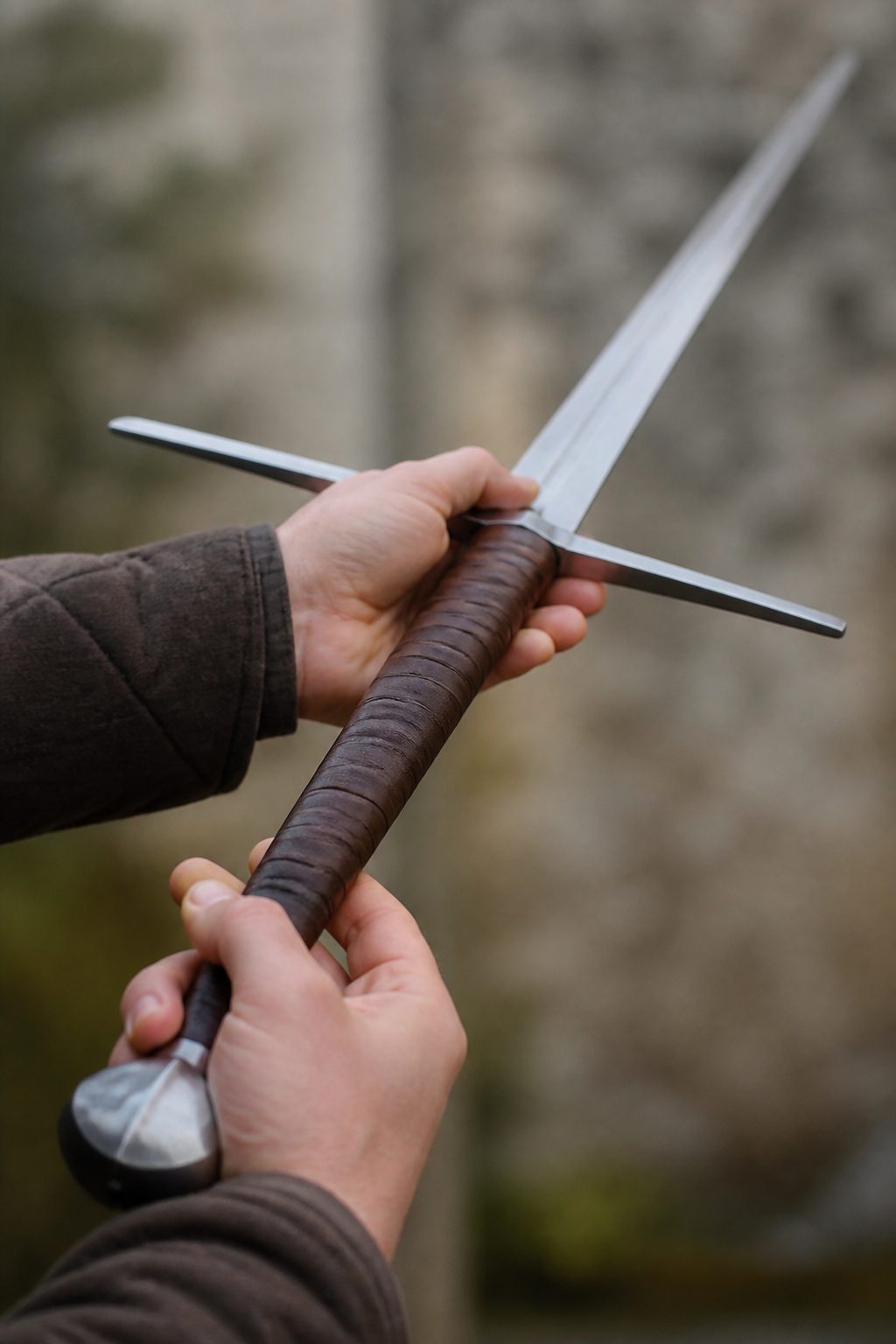
Bench work near the shore is a broad category, but the documented practices share a common trait: they are all repeatable and all leave evidence. Relief engraving and press proofs, for example, generate a physical sequence of states, and a practitioner who keeps every proof has a complete record of the plate's development without needing to write a word. Bench joinery and sharpening work differently. Their evidence is the tool itself, and the record has to be written: what was sharpened, on what stone or abrasive, at what angle, and how the edge performed afterwards.
Sharpening logs are among the most practical records a workshop can keep, because edge behaviour is otherwise remembered inaccurately. A blade that seemed to dull quickly may simply have been used on harder material than the previous one. Written entries remove that ambiguity. The same principle applies to joinery: noting the species, the moisture state and the joint cut turns a one-off success into a repeatable method.
Why keep daily notes and field surveys at all?
Daily notes and shoreline surveys serve a purpose that finished work cannot. A finished painting, pot or print is a single outcome; a notebook is a series of decisions. When a practitioner returns to a technique after months away, the notebook is the only reliable route back to the conditions under which it worked.
Surveys of the strand line add a second dimension. Recording what the water leaves behind, and where, builds a picture of the shore as a changing material source. For potters this matters directly, since clay and tempering materials may be found in different quantities after a storm or a season of accretion. For painters it matters indirectly, because the shore's appearance is part of what they are painting.
The practical format is unglamorous: date, place, weather, materials, action, result. Entries of two or three lines are sufficient. The value comes from continuity, not from detail.
How should a workshop log be structured?
A workable log has four fixed fields and one free field. The fixed fields are date, location, materials and duration. The free field is the observation, and it should be written in plain declarative sentences rather than impressions. "Tide running, water broken, palette shifted to grey-green" is more useful a year later than "difficult light".
Cross-referencing matters as much as the entries themselves. A firing log should name the clay batch; a painting log should name the palette; a sharpening log should name the stone. Without those links, the records become a set of unrelated pages rather than a body of evidence.
Finally, the log should be kept where the work happens. A notebook filed away in a drawer is a different object from one open on the bench. The practices documented along the Anne Arundel shore work because the record is part of the session, not a separate task performed afterwards. That is the whole method: write it down while the clay is still wet, the light still on the water, the edge still fresh.